Showing posts with label Scale/Frame/Format. Show all posts

Friday, 4 February 2011

Scale/Frame/Format

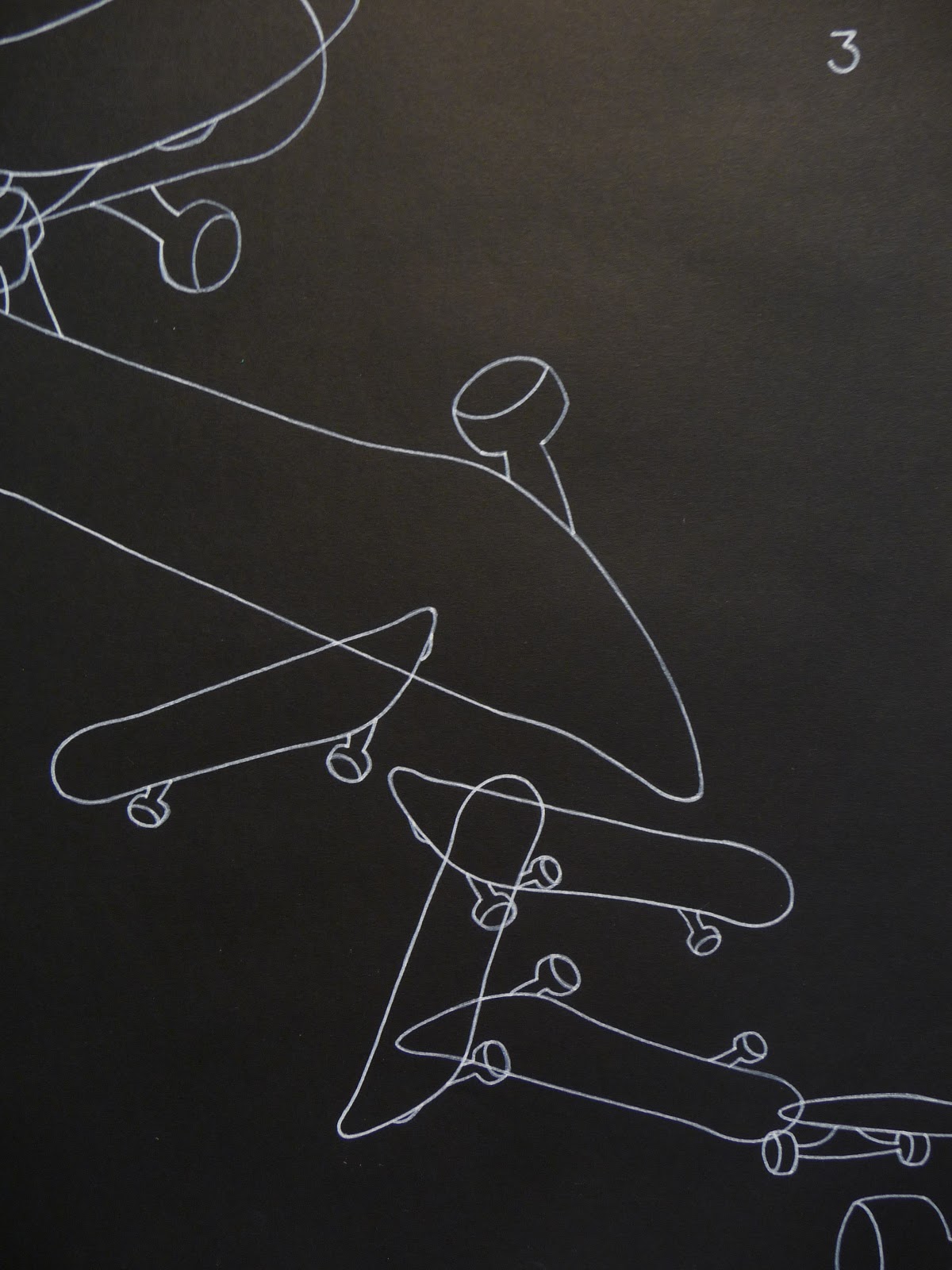
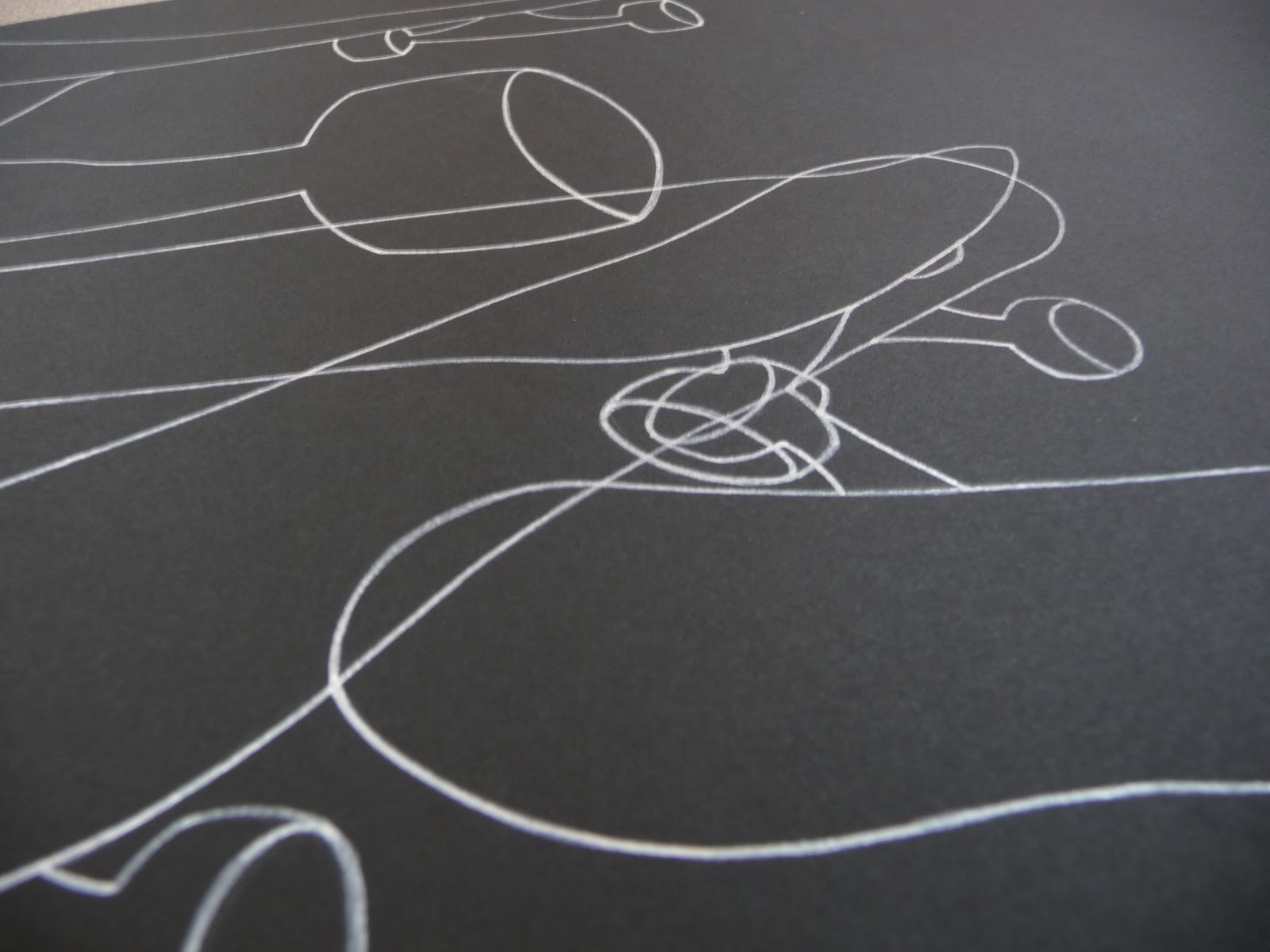
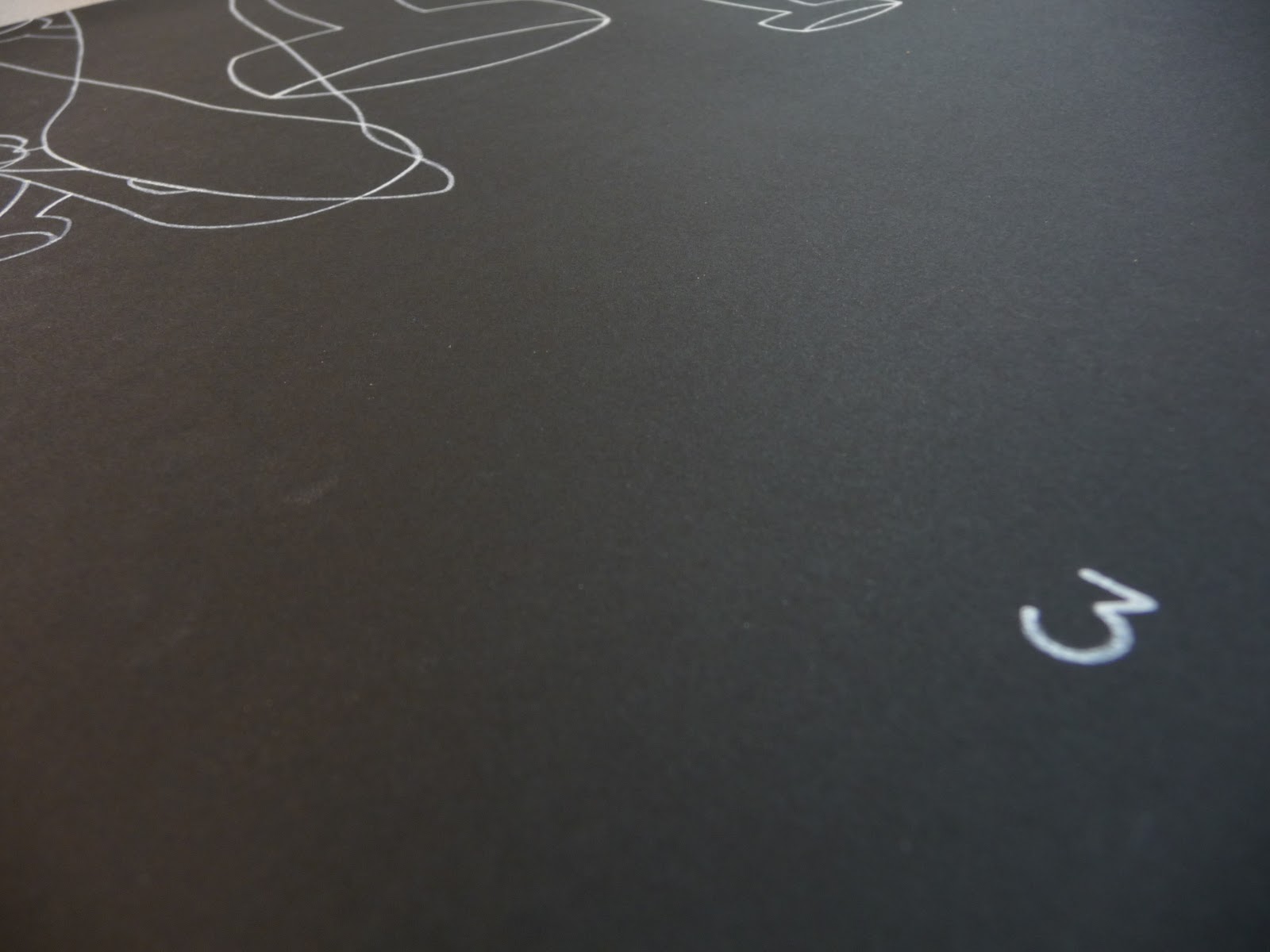
Well, I was pleasantly surprised with my resolution to this short brief. The simple outlines look great in white marker on black paper and are very legible - even when presented in an experimental manner in terms of eye charts. The tumbling layout mimics the movement of a flipping skateboard as it decreases in size between one corner and another. It creates a high impact result which was then supplemented with numbers to indicate one skateboard drawn at a large size, three at a medium size and five at a small size. This also helped make the design look a little more like a conventional eye chart. 


The eye chart I produced got great feedback from the group who said the experimental layout didn't affect it's readability. They also really liked the method and materials I used to produce the poster.

Scale/Frame/Format - Development

I haven't left myself much time to produce this eye chart so I need to work quickly and efficiently. I've traced over some existing internet images on Illustrator to create vector outlines to use as a rough guide for when drawing my eye chart since I don't have much (any) experience in drawing skateboards previously. I still want to go with the black and white theme as initially suggested though.


Scale/Frame/Format

Using the object you have randomly selected, you must create an eye chart replacing the conventional series of letters with your object. This brief will allow you to explore scale and format, as the object must be legible and clearly identifiable from the distance of twenty feet and work across a scale range.

My object - A Skateboard

2 colours including stock.
Associated colours - black? brown/wood? coloured wheels/patterns/designs?
White on black? Mimicking chalk on pavement etc.
White ink pen on black card.
Vectors/Solids/Outlines? How will the object be represented?